Rider Fit
Comfort, control, mounting, and weight capacity
Fit-first shortlists · Bad-fit warnings · Transparent affiliate disclosure
Read the safety standard →
Electric bikes for real riders and real routes
Shortlist electric bikes by rider, budget, route, storage, and service access. Every path includes the reasons to buy, the reasons to walk away, and the ownership costs that matter after checkout.
Start where purchase intent is strongest
These are buying pathways—not a wall of products. Each shortlist filters for fit, range, braking, certification, service access, and ownership risk before price.
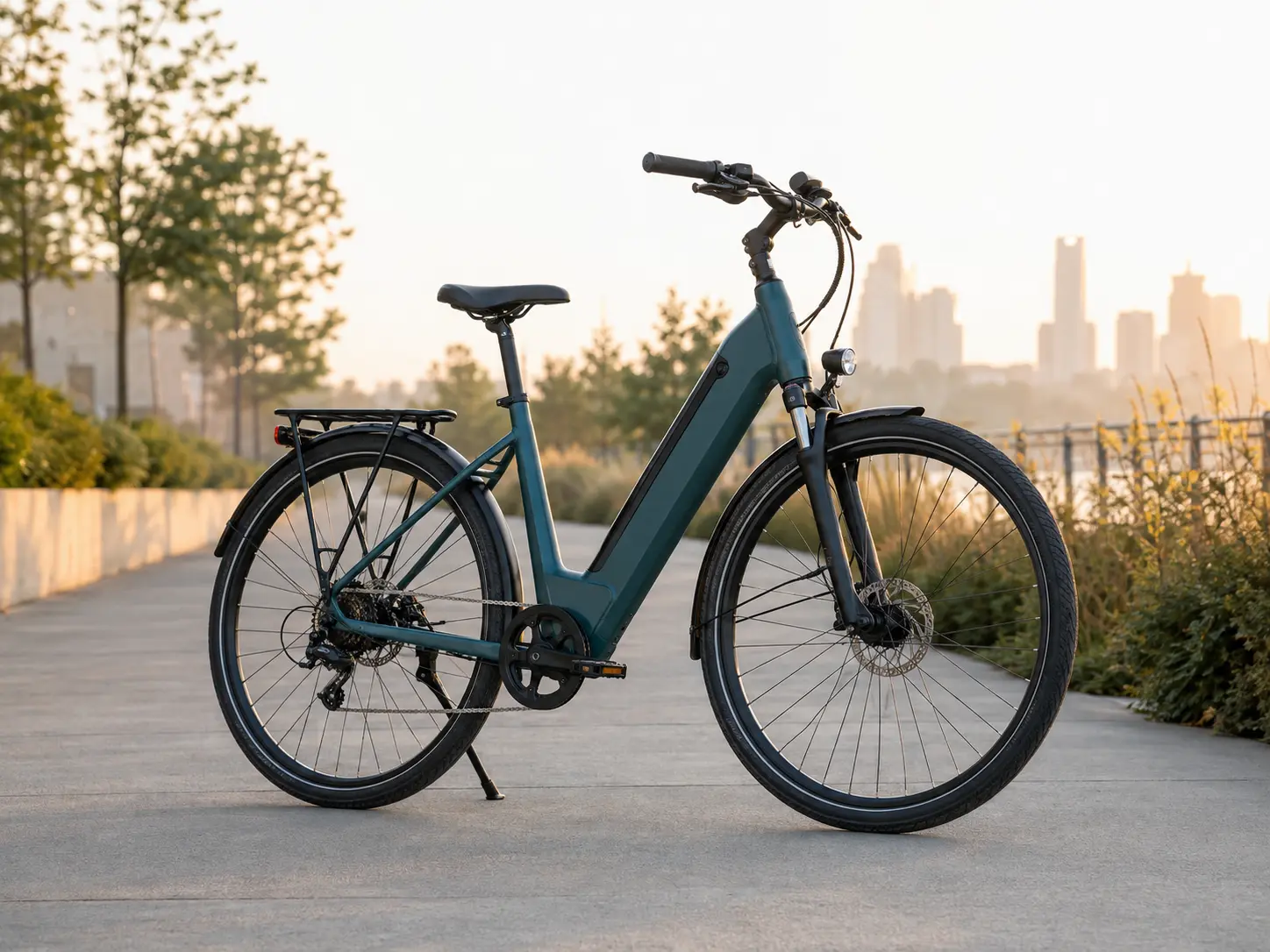
For work trips, errands, paved routes, and practical daily ownership.
See the commuter shortlist →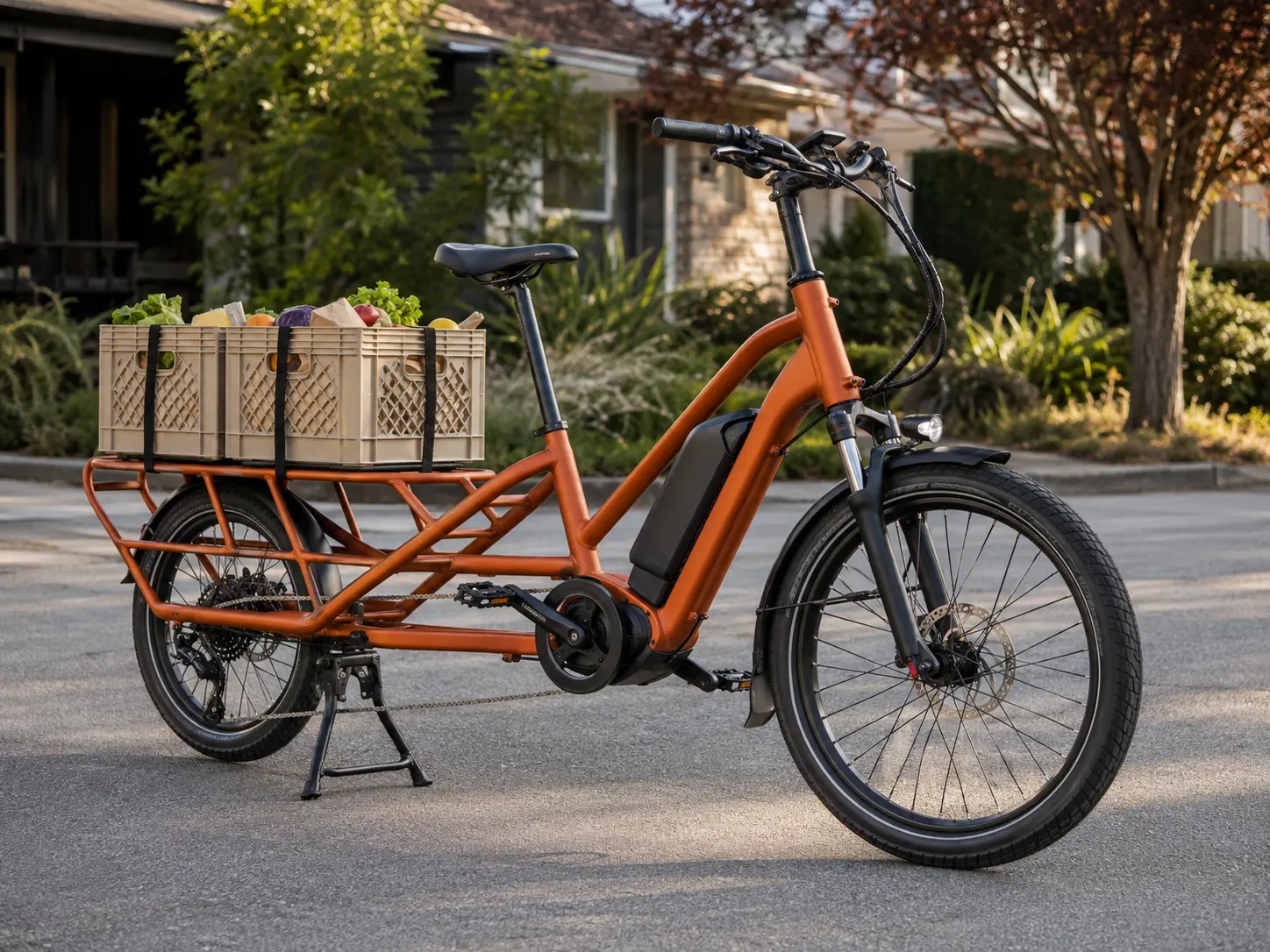
For groceries, gear, and passenger-rated systems with stable loaded handling.
See the cargo shortlist →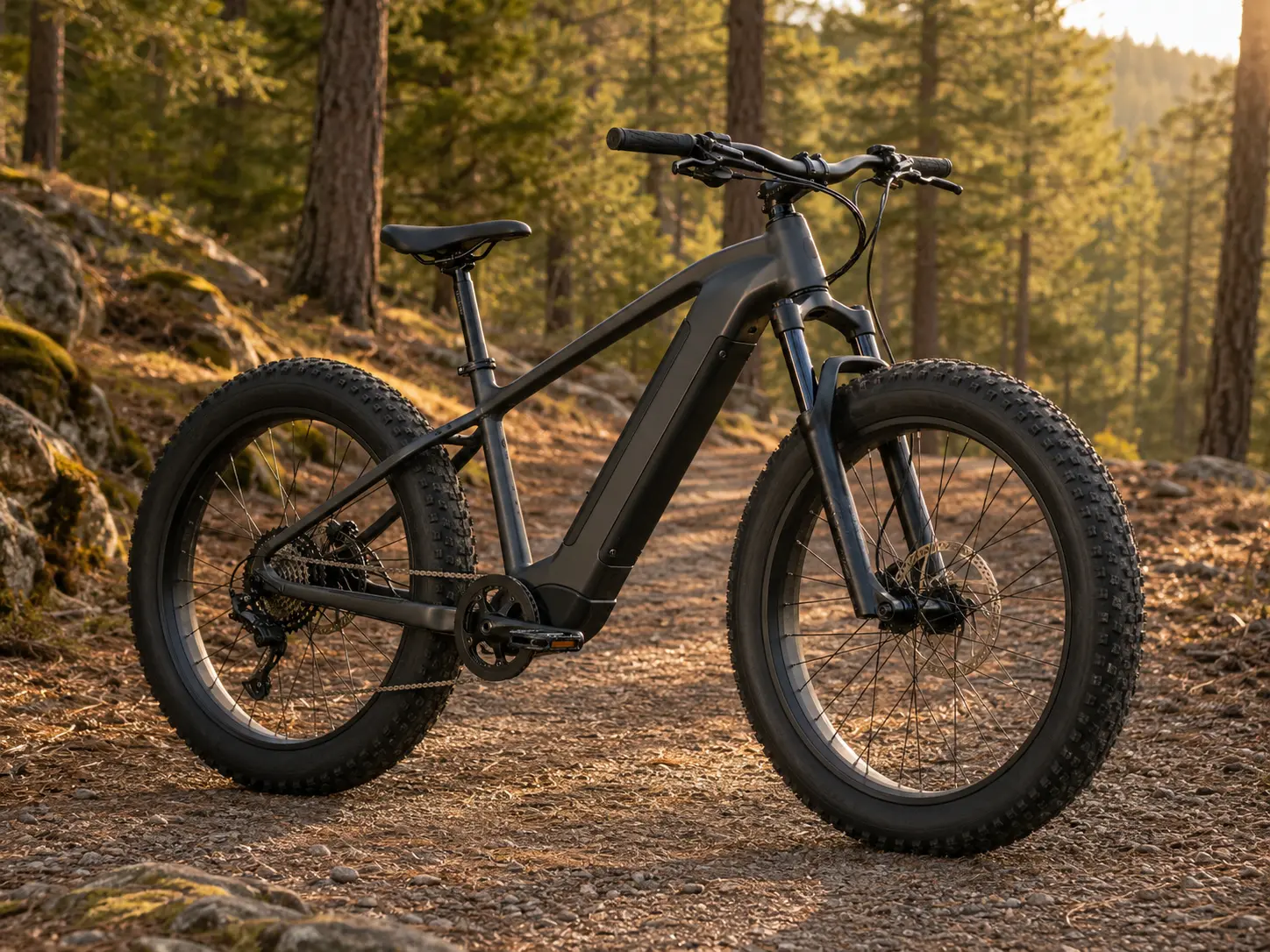
For loose surfaces, hills, traction needs, and higher-demand routes.
See the terrain shortlist →Not ready to browse?
Tell the finder how you ride, where you ride, and what you can spend. It will return a buyer category, a fit reason, and a bad-fit warning—not a fake perfect answer.
Quick fit finder
Comfort, control, mounting, and weight capacity
Terrain, load, weather, pace, and assist level
Certification, braking, parts, and repair access
Purchase, battery, maintenance, and accessories
High-intent starting points
A bike is only a “best buy” when it survives the rider, route, storage, and serviceability test. These starting categories prevent the most common mismatch.
Best for everyday practicality
Choose manageable weight, dependable brakes, removable battery access, built-in lights, fenders, and local parts support.
Best for capacity and utility
Compare total payload ratings, low-speed stability, braking power, passenger-rated hardware, kickstand design, and loaded-range expectations.
Best for loose surfaces and hills
Prioritize brake control, tire quality, drivetrain range, heat management, genuine service access, and battery capacity under heavier demand.
Affiliate disclosure: Some linked buyer guides contain qualifying Amazon links. As an Amazon Associate I earn from qualifying purchases. This does not increase your price, control the verdict, or erase a bad-fit warning.
The 30-second e-bike verdict
Motor output gets attention. The purchase survives or fails on fit, braking, battery-system safety, real route range, parts access, legal class, storage weight, and the cost of replacing proprietary components.
Use the complete buying guideQuick verdict
Real-world planning tool
Marketing range usually reflects favorable conditions. This planning estimate adjusts battery energy for load, terrain, and assist demand. It is a decision aid—not a guarantee.
Choose the system, not the hype
This matrix separates the category advantage from its hidden tradeoff. Use it to eliminate bad fits before comparing brands or sale prices.
| Type | Strongest use | Watch closely | Usually a poor fit when… |
|---|---|---|---|
| Commuter | Road trips, work, errands | Rack, lights, fenders, battery removal | Your route is mostly rough trail or deep sand |
| Folding | Small storage, mixed transit | Fold quality, weight, wheel size, hinge service | You expect full-size-bike stability on rough ground |
| Fat tire | Traction, loose surfaces, comfort | Weight, tire cost, range demand, rack fit | You must carry it upstairs or onto transit |
| Cargo | Loads, deliveries, rated passenger setups | Payload, brakes, kickstand, loaded handling | Storage is short, narrow, or requires lifting |
| Step-through | Easy mounting, upright daily riding | Frame stiffness, sizing, foot-down confidence | The geometry still places the saddle or reach too high |
| E-MTB | Technical trails and sustained climbing | Trail access, suspension service, drivetrain wear | Your actual riding is pavement and errands |
Safety is a buying filter
UL Solutions explains that UL 2849 evaluates the e-bike electrical drive train, battery system, and charger as a system. Verify the certification mark and listing; do not rely only on vague marketplace wording.
Direct answers
There is no honest universal number. Price the bike against the required fit, braking, certified electrical system, battery capacity, parts support, warranty ownership, and local service access. A cheap bike that cannot be repaired is not low-cost ownership.
Start with the longest repeat trip, add detours and a return reserve, then reduce advertised range for hills, load, wind, temperature, frequent stops, higher assist, and battery age. Use the estimator as a planning range, not a promise.
The best fit is often a properly sized step-through with predictable low-speed control, strong brakes, manageable weight, a comfortable mounting height, and nearby service. Step-through alone does not guarantee easy handling.
No. Wattage alone does not tell you hill behavior, efficiency, legal class, control quality, thermal performance, or range. Match the complete system to the rider and route.
Online buying can work when sizing, assembly, return freight, certification, warranty ownership, parts, and service are clear. If any answer is vague, the lower sticker price may shift risk and labor to you.